
"2.5 million"
600 article(s) found

A brief introduction to the planting characteristics of Ugandan Coffee Bean Flavor Manor
Uganda leads Africa in coffee production, accounting for more than 70% of its total exports. In the 1960s, Ugandan coffee production remained at 3.5 million bags a year. By the mid-1980s, coffee production had dropped to 2.5 million bags a year, mainly for political reasons. But now coffee production is on the rise again, currently about 3 million bags a year. Mainly exported to the European Union, including Germany and Italy
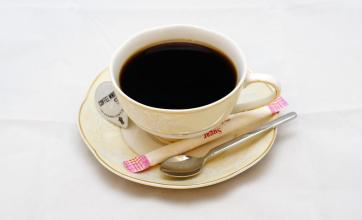
The flavor and taste of Ugandan coffee beans the characteristics of the manor producing area of Ugandan coffee
Uganda's coffee production ranks first in Africa, accounting for more than 70% of its total exports. Uganda is also the hometown and main producing area of Robes specialty coffee. In the 1960s, Ugandan coffee production remained at 3.5 million bags a year. By the mid-1980s, coffee production had dropped to 2.5 million bags a year, mainly for political reasons. But now coffee production is on the rise again, which is large at present.

Grinding scale treatment of coffee beans in Mercedes Manor in El Salvador
In the early 1990s, guerrilla warfare greatly damaged the country's national economy, reducing coffee production from 3.5 million bags in the early 1970s to 2.5 million bags in 1990 and 1991. The eastern part of the country was most affected by guerrilla warfare, and many farmers and workers were forced to leave the manor. The shortage of funds has led to a sharp drop in coffee production, from 1200 kg per hectare in the past to less than 90 per hectare today.

Introduction to the Origin of the Grinding scale of aromatic and Pure Salvadoran Coffee Flavor
In the early 1990s, guerrilla warfare greatly damaged the country's national economy, reducing coffee production from 3.5 million bags in the early 1970s to 2.5 million bags in 1990-1991. The eastern part of the country was most affected by guerrilla warfare, and many farmers and workers were forced to leave the manor. The shortage of funds has led to a sharp drop in coffee production, from 1200 kg per hectare in the past to no yield per hectare today.

The aromatic and mild taste of El Salvador Himalayan coffee plantation
El Salvador is tied with Mexico and Guatemala as the producer of Asa and Meldo, and is competing with other countries for the top one or two places in Central America. Highland origin, for the size of large coffee beans, fragrant taste mild. As in Guatemala and Costa Rica, coffee in El Salvador is graded according to altitude, with the higher the altitude, the better the coffee.

Introduction to the flavor description of high-quality coffee beans in the producing area of Salvadoran coffee
Salvadoran coffee ranks side by side with Mexico and Guatemala as the producers of Asa and Merdo, and is fighting for the top one or two places in China and the United States with other countries. The highlands of origin are large coffee beans of all sizes, which are fragrant and mild in taste. Like Guatemala and Costa Rica, coffee in El Salvador is graded according to altitude, and the higher the altitude, the better the coffee

To open a coffee shop, you have to accept these three realities, which you must have before opening a shop.
The romance of the coffee shop is left to the customers, and the reality is left to the operators. Are you still dreaming of opening a coffee shop? Let's accept these three realities first. (take independent coffee shops as an example, the cost of joining a chain will be more expensive.) Reality one: the cost of opening a coffee shop allows you to "drink coffee every day for 57 years in a row"! "the investment of opening a coffee shop is very big, those

Introduction to the flavor description and grinding scale varieties of El Salvador Pacamara coffee beans
In the early 1990s, guerrilla warfare greatly damaged the country's national economy, reducing coffee production from 3.5 million bags in the early 1970s to 2.5 million bags in 1990 and 1991. The eastern part of the country was most affected by guerrilla warfare, and many farmers and workers were forced to leave the manor. The shortage of funds has led to a sharp drop in coffee production, from 1200 kg per hectare in the past to less than 9 per hectare today.

A brief introduction to the treatment method of grinding degree and baking degree of balanced Salvadoran coffee Renas manor
Salvadoran coffee today, this kind of coffee accounts for 40% of the country's exports. 35% of the extra hard beans of the best coffee are exported to Germany from January to March. In the early 1990s, guerrilla warfare greatly damaged the country's national economy, reducing coffee production from 3.5 million bags in the early 1970s to 2.5 million bags in 1990-1991. The eastern part of the country is the most affected by guerrilla warfare, with many farmers

Introduction to the characteristics of El Salvador Himalaya Coffee Variety producing area
El Salvador has a tropical climate with an annual average temperature of 28 ℃; November-April is the dry season, May-October is the rainy season; the coastal and lowland climate is hot and humid, and the mountain climate is cool; the annual precipitation in the mountains is more than 1800 mm, and the coastal zone is about 1000 mm. The Salvadoran flag was launched in 1822 and was rescinded in 1865, restored in 1912, the year of the Salvadoran flag in 1972.

A brief introduction to the treatment method of grinding degree and baking degree of fine coffee beans in Mercedes Manor
Coffee originated in the early 1990s, guerrilla warfare greatly damaged the country's national economy, reducing coffee production from 3.5 million bags in the early 1970s to 2.5 million bags in 1990 and 1991. The eastern part of the country was most affected by guerrilla warfare, and many farmers and workers were forced to leave the manor. The shortage of funds has led to a sharp drop in coffee production, from 1200 kg per hectare in the past to per hectare today

A brief introduction to the history and culture of the origin and development of boutique coffee beans in Mercedes Manor with balanced taste
In the early 1990s, guerrilla warfare greatly damaged the country's national economy, reducing coffee production from 3.5 million bags in the early 1970s to 2.5 million bags in 1990 and 1991. The eastern part of the country was most affected by guerrilla warfare, and many farmers and workers were forced to leave the manor. The shortage of funds has led to a sharp drop in coffee production, from 1200 kg per hectare in the past to less than 9 per hectare today.

A brief introduction to the cultivation of fine quality coffee beans in Mercedes Manor, geographical location, climate and altitude
In the early 1990s, guerrilla warfare greatly damaged the country's national economy, reducing coffee production from 3.5 million bags in the early 1970s to 2.5 million bags in 1990 and 1991. The eastern part of the country was most affected by guerrilla warfare, and many farmers and workers were forced to leave the manor. The shortage of funds has led to a sharp drop in coffee production, from 1200 kg per hectare in the past to less than 9 per hectare today.

El Salvador boutique coffee bean flavor taste introduction to the characteristics of boutique coffee in manor area
Salvadoran coffee ranks side by side with Mexico and Guatemala as the producers of Asa and Merdo, and is fighting for the top one or two places in China and the United States with other countries. The highlands of origin are large coffee beans of all sizes, which are fragrant and mild in taste. Like Guatemala and Costa Rica, coffee in El Salvador is graded according to altitude, and the higher the altitude, the better the coffee

Introduction to the taste and taste of boutique coffee in Salvadoran coffee manor with balanced taste and good texture
El Salvador (ElSalvador) is one of the small countries in Central America, where coffee is light, fragrant, pure, slightly sour and characterized by excellent balance of flavor. It is a specialty of Central America. With sour, bitter, sweet and other taste characteristics, the best baking degree is moderate, deep. Salvadoran Coffee-Coffee originated in the early 1990s, guerrilla warfare greatly damaged the country's national economy.

Taste of Salvadoran Coffee Flavor Coffee introduced in Manor production area
El Salvador coffee El Salvador (ElSalvador) is one of the small countries in Central America, where coffee is light, aromatic, pure, slightly sour and characterized by excellent balance of flavor. It is a specialty of Central America. With sour, bitter, sweet and other taste characteristics, the best baking degree is moderate, deep. The origin of coffee in the early 1990s, guerrilla warfare greatly damaged the country's national economy and made coffee

Planting situation of Renas Manor Coffee Manor in El Salvador A brief introduction to the production of climate and altitude
In the early 1990s, guerrilla warfare greatly damaged the country's national economy, reducing coffee production from 3.5 million bags in the early 1970s to 2.5 million bags in 1990-1991. The eastern part of the country was most affected by guerrilla warfare, and many farmers and workers were forced to leave the manor. The shortage of funds has led to a sharp drop in coffee production, from 1200 kg per hectare in the past to today's yield per hectare

Flavor description of El Salvador Himalayan coffee beans with not too strong fragrance introduction to the varieties produced in the manor area
In the early 1990s, guerrilla warfare greatly damaged the country's national economy, reducing coffee production from 3.5 million bags in the early 1970s to 2.5 million bags in 1990-1991. The eastern part of the country was most affected by guerrilla warfare, and many farmers and workers were forced to leave the manor. The shortage of funds has led to a sharp drop in coffee production, from 1200 kg per hectare in the past to today's yield per hectare

Introduction to the characteristics of the manor producing area with the flavor of Salvadoran coffee
El Salvador's domestic topography is mainly mountainous, plateau, volcanic, known as the country of volcanoes, Santa Ana active volcano 2385 meters above sea level, the highest peak in the country; the northern part of the country is the Lompa Valley and the southern part is the narrow coastal plain. Climatic characteristics all over El Salvador has a tropical climate, with an annual average temperature of 28 ℃; dry season from November to April and rainy season from May to October; coastal and lowland atmosphere

Description of characteristics and flavor of Salvadoran coffee beans introduction to the producing area of varieties with grinding scale
El Salvador coffee beans characteristic flavor description taste grinding scale variety production area El Salvador, located in the northwest of Central America, bordered by the Pacific Ocean to the south, is one of the birthplaces of ancient Mayan civilization. The nearby volcanoes, plateaus, lakes and bathing beaches along the Pacific coast are all very pleasant. But El Salvador is most famous for its unique and mild taste.